
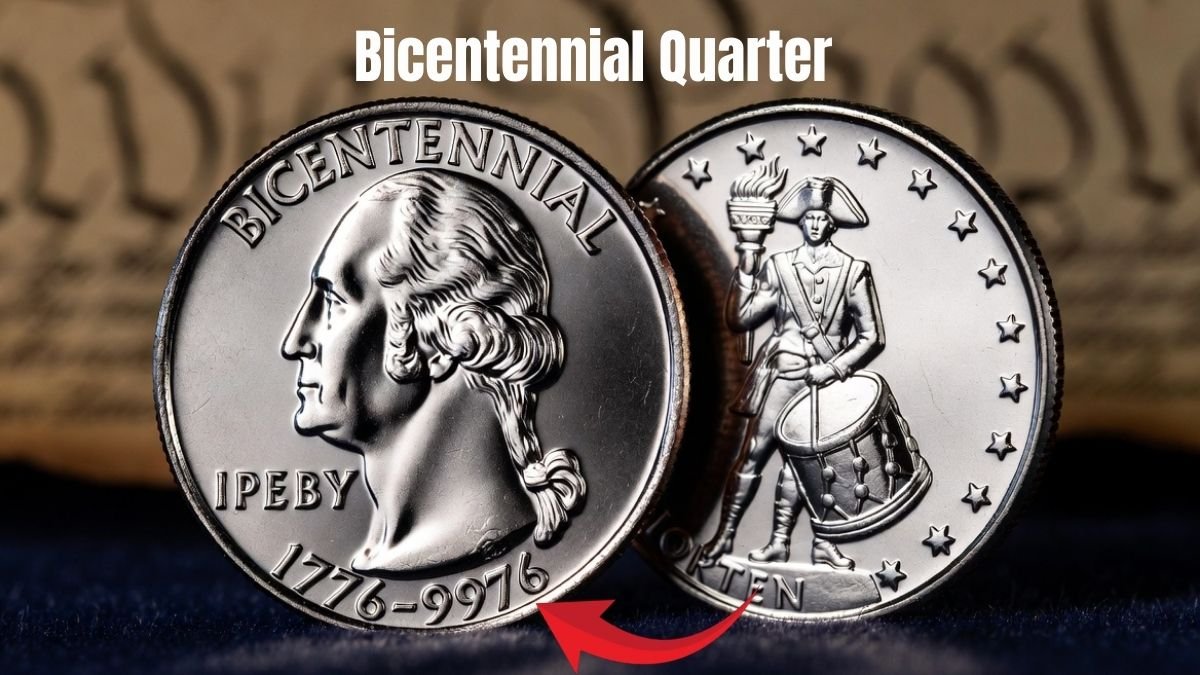
The history of American coins has always been a source of fascination for collectors and history enthusiasts. One such notable coin is the 1776–1976 Bicentennial Quarter, issued in honor of the 200th anniversary of the United States’ independence. This quarter was not only a part of regular currency but also became a symbol commemorating American history and the struggle for independence. In 2026, understanding the value and rarity of this coin has become a particularly interesting and important topic for every collector.
History of the Bicentennial Quarter
The most significant feature of the 1776–1976 Bicentennial Quarter is that it commemorates two hundred years of American independence. The coin’s design was unique. Instead of the traditional George Washington’s head, its reverse featured a paratrooper soldier and a torch and olive branch design alongside the traditional eagle, symbolizing freedom and peace.
This coin was first minted in 1975 and 1976 to specifically celebrate the 200th anniversary. It was issued not only for general circulation but also made available in proof and mint sets. Consequently, the various versions of the coin and their rarity differ.
Value of the 1776–1976 Quarter in 2026
In 2026, the value of the 1776–1976 Bicentennial Quarter depends on several factors. The biggest factors are the coin’s condition, mint mark, and collectibility.
Generally, if the coin has been in regular circulation and shows scratches, wear, or other marks, its value might only be between $0.25 and $1.
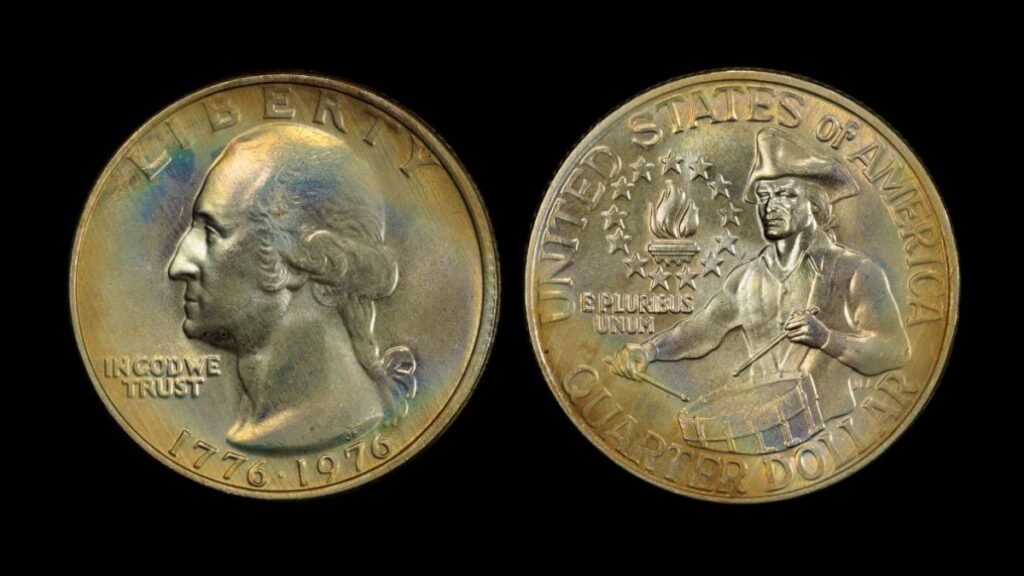
However, if the coin is a proof version or has been preserved in exceptionally good condition, its value could range from $5 to $50. Some rare double-die or error coins can sell for over $100.
The coin’s mint mark also plays a significant role in determining its value. For example, coins from the Philadelphia (P) and Denver (D) mints were produced in larger quantities, so they are generally less valuable. Proof sets and limited-edition coins from the San Francisco (S) mint, however, are more expensive.
How to Identify Rare Coins
Some versions of the 1776–1976 quarter can be challenging to identify. Here are some key things to look for when identifying rare coins:
- Proof vs. Circulation: Proof coins are typically shinier and have a smoother surface. These coins came in special sets and were not intended for general circulation.
- Check the Mint Mark: Look for a “P,” “D,” or “S” mark on the reverse of the coin. “S” proof coins are often more valuable.
- Surface and Condition: Any scratches, blemishes, or wear will affect the coin’s value. Coins that have been well-preserved are more desirable to collectors.
- Error Coins: Sometimes, coins have minor flaws from the minting process, such as a “Double Die” or “Off-Center Strike.” These coins are considered rare and often command a premium price.
The safest way to accurately identify a coin is to consult experts and use reliable numismatic guides.
The Collectible Significance of the 1776–1976 Quarter
The significance of this quarter lies not only in its monetary value but also in its historical and emotional connection. This coin symbolizes American independence and commemorates the 200th anniversary celebration.
Many collectors include it in their collections not just for its monetary value, but also to understand and experience a piece of history. Additionally, this coin offers a new generation of collectors the opportunity to learn about the history of coinage and the minting process. If you store it in a safe place and handle it properly, its value and collectibility will continue to increase in the coming years.
1776–1976 Quarter as an Investment in 2026
If you are considering buying this coin as an investment in 2026, there are a few things to keep in mind. First, the coin should be in excellent condition, as any scratches or wear can significantly reduce its value. Second, focus on rare editions and proof sets, as these tend to yield better returns in the long run.
Furthermore, the value of coins fluctuates based on market demand and rarity. Therefore, if you are buying it as an investment, it’s best to purchase from reputable coin dealers and auction houses.
Safe Storage and Care
To preserve the 1776–1976 Bicentennial Quarter for a long time, certain precautions should be taken. Coins should be kept away from moisture, dust, and direct sunlight. It’s best to store them in plastic coin capsules or acid-free holders. This not only protects the coin but also helps maintain its value.
Avoid touching the coins directly with your hands, as the oils from your skin can leave stains and fingerprints. Regularly inspecting and cleaning the coins as needed is also important during storage.
Conclusion
The 1776–1976 Bicentennial Quarter is not just an ordinary American coin; it is a symbol of history, freedom, and American pride. In 2026, its value has increased even further in the eyes of collectors, especially for proof and rare editions.
If you identify, preserve, and store it correctly, this coin can not only become a prized addition to your collection but also appreciate in value over time. Therefore, owning this significant piece of history can be considered a wise move for any coin enthusiast or investor.
FAQs
Q1. What is a 1776–1976 Bicentennial Quarter?
A. It’s a special U.S. quarter issued to celebrate the 200th anniversary of American independence.
Q2. How much is it worth in 2026?
A. Depending on condition and rarity, its value ranges from $0.25 for circulated coins to $50 or more for rare proof versions.
Q3. How can I spot a rare Bicentennial Quarter?
A. Look for proof coins, mint marks (especially “S”), exceptional condition, and any minting errors like double dies or off-center strikes.
