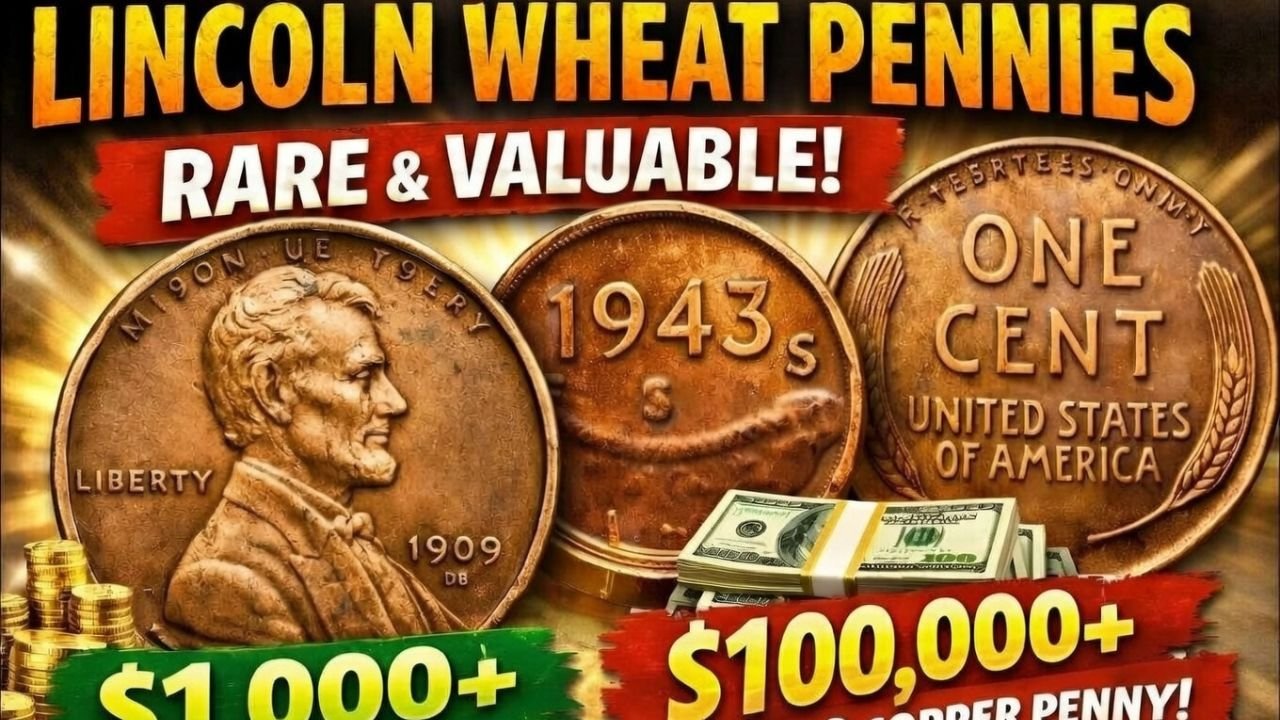
The Lincoln Wheat Penny, minted between 1909 and 1958, is considered one of the most recognizable series in American numismatic history. Designed by the renowned Victor David Brenner, the coin features a profile image of Abraham Lincoln on the obverse, while the reverse displays the words “One Cent” between two stalks of wheat. These wheat stalks give the coin its name, the “Wheat Penny.” Even in 2026, these coins continue to generate significant excitement among collectors, as certain dates and minting errors can command prices reaching thousands or even hundreds of thousands of dollars.
1909-S VDB Penny: A Treasure Born from Controversy
The Lincoln Penny debuted in 1909, and the “1909-S VDB” coin, issued by the San Francisco Mint that same year, became one of the most sought-after. The designer Brenner’s initials, VDB, were prominently displayed on the reverse of the coin, which sparked public outcry and led to their removal. This resulted in a very limited mintage of the VDB coins—approximately 484,000. This scarcity makes it highly desirable to collectors. In good condition, this coin can be worth thousands of dollars and is considered a prized addition to any serious collection.
1914-D Penny: Low Mintage, High Demand
The “1914-D” penny, minted in Denver in 1914, is another key date. Its mintage was relatively low, at around one million coins. Especially in uncirculated condition, this coin can fetch hundreds to thousands of dollars. Collectors consider it essential for completing their series.
[also_read id=”2421″]
1922 “No D” Penny: The Error That Increased the Value
The 1922 “No D” penny is a prime example of a minting error. Due to a worn die at the Denver Mint, the “D” mint mark was not clearly visible on some coins. As a result, the coins appeared to have no mint mark at all. This anomaly is what makes it valuable. Depending on the condition, its price can be quite high.
1931-S Penny: The Impact of Low Production
The 1931-S penny also had a mintage of less than one million. While not as rare as the 1909-S VDB, it is still considered a key date. Collectors are willing to pay a premium for coins in better grades. This example shows how production numbers directly affect value.
1943 Copper Penny: A Rare Wartime Error
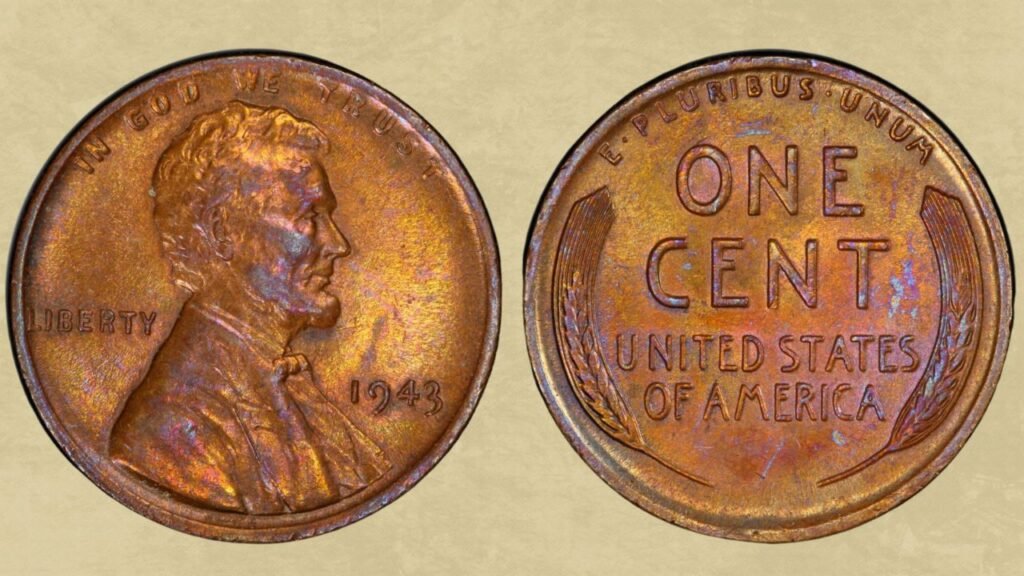
During World War II, pennies were made of steel in 1943 to conserve copper. However, some copper blanks were accidentally fed into the machines, resulting in the “1943 Copper Penny.” These coins are extremely rare and have fetched millions of dollars at auction. It is considered one of the most famous errors in American numismatics.
1944 Steel Penny: The Reverse Error
In 1944, copper was reintroduced, but some steel blanks remained and were struck, resulting in the “1944 Steel Penny.” This is also a rare error. Their value can reach tens of thousands of dollars, demonstrating how a small mistake can turn into a great treasure.
1955 Doubled Die Penny: The Magic of Double Printing
The 1955 “Doubled Die” penny is famous for its distinct double lettering. The double image is clearly visible, especially in “LIBERTY” and the date. This error is so obvious that even new collectors can spot it. Its value can reach thousands of dollars, and it’s a favorite coin among enthusiastic collectors.
The Importance of Condition and Grading
The value of any Lincoln Wheat Penny depends heavily on its condition. Coins graded as uncirculated or mint state are significantly more valuable. Professional grading services assign grades to coins, certifying their authenticity and quality. This increases confidence in buying and selling.
Why are Lincoln Wheat Pennies Special?
These coins are appealing for several reasons—a long series spanning nearly fifty years, numerous rare dates, and exciting errors. The possibility of finding a valuable piece among everyday coins also adds to the thrill of the hobby.
Tips for Identifying Valuable Pennies
Carefully examine the coin’s date and mint mark. Years like 1909-S VDB, 1914-D, and 1931-S are particularly important. Also, look for errors such as the 1922 No D and the 1955 Doubled Die. Using a magnifying glass and a reliable guide is helpful.
Coin Collecting: A Way to Connect with History
Coin collecting is not just an investment, but a way to connect with history. Every Lincoln Wheat Penny tells a story of its time—economic changes, wartime conditions, and technological advancements. This thrill of discovery keeps the hobby alive.
[also_read id=”2389″]
Conclusion
The Lincoln Wheat Penny series continues to hold a special place in the hearts of collectors. While some coins are worth only a cent, rare examples can fetch thousands or even millions of dollars. If you’re interested in coin collecting, focusing on these pennies offers a beautiful blend of history, art, and excitement.