

The Olympic Games have always been more than just a sporting event. They represent unity, perseverance, and the pursuit of excellence on a global stage. As the world looks ahead to the next major chapter in Olympic history, one question is being asked by fans everywhere: when do the 2026 Olympics begin? With Italy set to host the Winter Games across Milan and Cortina d’Ampezzo, excitement is already building. Understanding the official start date, early competitions, and the overall schedule helps fans, travelers, and sports enthusiasts plan ahead and fully experience this historic event.
A New Era for the Winter Olympics in Italy
The 2026 Winter Olympics mark a special moment for Italy, a country with deep cultural roots, breathtaking landscapes, and a long-standing love for winter sports. Officially known as the Milano Cortina 2026 Olympic Games, this edition introduces a unique multi-city hosting model. Events will be spread across Milan, Cortina d’Ampezzo, and several alpine regions, blending modern urban venues with iconic mountain settings. This approach not only showcases Italy’s diversity but also reflects a more sustainable and regionally inclusive vision for the Olympics.
The Official Start Date of the 2026 Olympics
The 2026 Winter Olympics officially begin on February 6, 2026. This is the date of the Opening Ceremony, the moment when athletes from around the world march into the stadium under their national flags, symbolizing global unity through sport. The Opening Ceremony will take place in Milan, setting the tone for more than two weeks of world-class competition, emotion, and unforgettable moments.
While February 6 is the ceremonial start, it is important to note that the Olympic experience begins slightly earlier with preliminary events and early-round competitions.
When Do Olympic Events Actually Start?
Although the Opening Ceremony is scheduled for February 6, 2026, some Olympic events will begin before this date. Traditionally, certain sports require early qualification rounds due to the number of competitors and scheduling demands. In the case of the 2026 Winter Olympics, select events are expected to start around February 4, 2026.
These early competitions allow the full Olympic program to run smoothly while ensuring athletes receive proper rest between rounds. For fans watching closely, this means the excitement of the Olympics starts even before the official opening celebration.
Duration of the 2026 Winter Olympics
The 2026 Winter Olympics will run from February 6 to February 22, 2026. Over these seventeen days, athletes from more than 90 countries will compete in a wide range of winter sports, including alpine skiing, ice hockey, figure skating, snowboarding, speed skating, and many more.
The closing days of the Olympics often bring some of the most emotional moments, as medal counts are finalized and athletes reflect on years of preparation. The Closing Ceremony on February 22 will officially mark the end of the Games, passing the Olympic torch to the next host nation.
Opening Ceremony: What to Expect
The Opening Ceremony of the 2026 Olympics is expected to be a grand celebration of Italian culture, history, and innovation. Italy is known for its artistic heritage, music, fashion, and architectural brilliance, all of which are likely to be woven into the ceremony’s storytelling.
Beyond entertainment, the ceremony will include the formal welcome of athletes, the Olympic oath, and the lighting of the Olympic cauldron. This symbolic act signals the official start of the Games and is one of the most anticipated moments for viewers worldwide.
The Role of Milan in the 2026 Olympics
Milan will serve as the primary host city and the heart of the 2026 Winter Olympics. As a global center for fashion, design, and business, Milan brings a modern and international atmosphere to the Games. Key ceremonies, indoor sports, and media operations will be centered here.
The city’s advanced infrastructure and experience hosting large international events make it an ideal anchor for the Olympics. Milan’s role highlights how the Winter Games are evolving beyond traditional mountain-only settings.
Cortina d’Ampezzo and the Alpine Venues
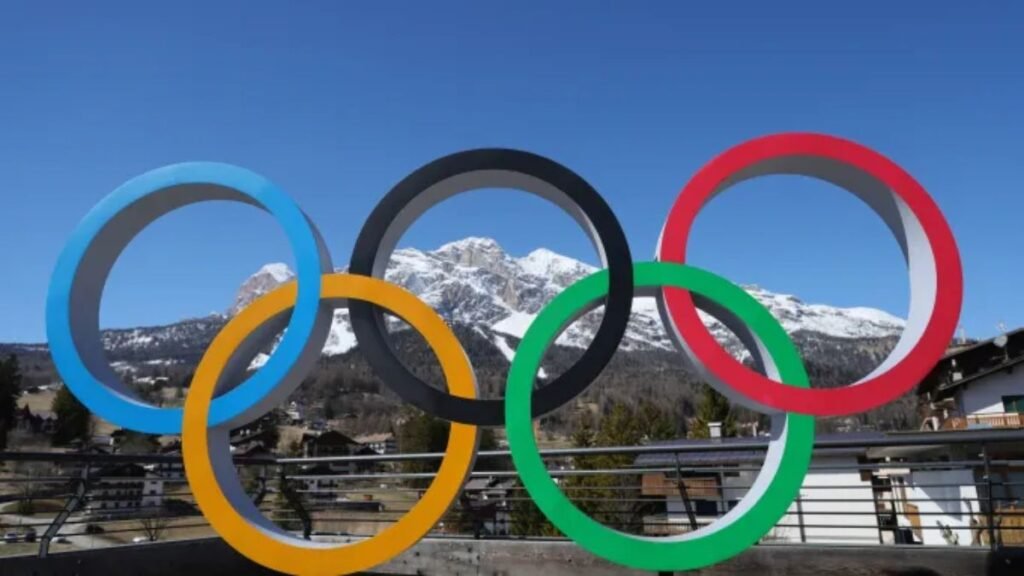
Cortina d’Ampezzo, one of the most famous alpine resorts in the world, will host many of the outdoor and mountain-based events. Known as the “Queen of the Dolomites,” Cortina has a long Olympic legacy, having previously hosted the Winter Games in 1956.
In 2026, Cortina will once again take center stage for sports such as alpine skiing, bobsleigh, and curling. The stunning natural scenery will provide a dramatic backdrop, reminding viewers why winter sports and mountain landscapes are inseparable.
A Full Look at the Olympic Schedule
The Olympic schedule is carefully structured to balance competition, athlete recovery, and global broadcasting needs. During the first week of the Games, preliminary rounds and early medal events will dominate the calendar. Sports like short track speed skating, freestyle skiing, and snowboarding often award medals early, creating momentum and excitement from the very beginning.
As the Games progress into the second week, marquee events such as figure skating finals, ice hockey playoffs, and alpine skiing championships take center stage. These events often attract the largest global audiences and can dramatically shift medal standings.
Why Knowing the Start Date Matters
Understanding when the 2026 Olympics begin is important for more than just sports fans. Travelers planning to attend the Games need to coordinate flights, accommodations, and local transportation well in advance. Broadcasters and content creators rely on accurate schedules to plan coverage, while schools and workplaces often adjust routines to accommodate major Olympic moments.
For athletes, the start date represents the culmination of years of training, discipline, and sacrifice. Every detail, from arrival times to acclimatization schedules, revolves around the official Olympic timeline.
How the 2026 Olympics Fit into the Global Sports Calendar
The Winter Olympics are one of the biggest sporting events in the world, rivaled only by events like the FIFA World Cup and the Summer Olympics. The February 2026 timing places the Games in the middle of the global winter sports season, allowing athletes to peak at the right moment.
This timing also ensures maximum global viewership, as fans across different regions tune in despite time zone differences. The Olympic schedule is designed to create a continuous flow of competition, keeping audiences engaged from start to finish.
Sustainability and Scheduling Innovations
The 2026 Olympics are being promoted as one of the most sustainable Winter Games in history. This philosophy extends to scheduling decisions as well. By using existing venues and spreading events across multiple regions, organizers aim to reduce environmental impact while maintaining a smooth and efficient timetable.
These innovations reflect a broader shift in how the Olympics are organized, focusing on long-term benefits rather than short-term spectacle alone.
What Happens After the Olympics Begin?
Once the Olympics officially begin on February 6, the world enters a unique rhythm defined by daily medal events, emotional victories, and unforgettable stories. Each day brings new champions, record-breaking performances, and moments of sportsmanship that transcend national boundaries.
For viewers, following the schedule becomes part of the experience, as early-morning competitions, prime-time finals, and late-night highlights fill the days with anticipation and excitement.
The Closing Ceremony and the End of the Games
The 2026 Winter Olympics will conclude with the Closing Ceremony on February 22, 2026. This event is both a celebration and a farewell, honoring athletes, volunteers, and host cities for their contributions. Unlike the Opening Ceremony’s formality, the Closing Ceremony is often more relaxed and festive, reflecting the friendships and memories formed during the Games.
The extinguishing of the Olympic flame marks the official end of the Olympics, but the impact of the Games continues long after, inspiring future athletes and host nations.
Final Thoughts on the 2026 Olympics Start Date and Schedule
So, when do the 2026 Olympics begin? Officially, the Games start on February 6, 2026, with early events beginning around February 4 and the full Olympic experience lasting until February 22. Hosted across Milan, Cortina d’Ampezzo, and surrounding regions, the 2026 Winter Olympics promise to be a perfect blend of tradition, innovation, and global unity.
As the countdown continues, knowing the full start date and schedule allows fans to fully immerse themselves in one of the world’s most meaningful sporting events. The 2026 Olympics are not just about medals; they are about shared moments, global connection, and the enduring spirit of human achievement.
FAQs
Q1. When do the 2026 Winter Olympics officially begin?
The 2026 Winter Olympics officially begin on February 6, 2026, with the Opening Ceremony in Milan, Italy.
Q2. Do any Olympic events start before the Opening Ceremony?
Yes, some preliminary events are expected to begin around February 4, 2026, before the official opening.
Q3. When do the 2026 Winter Olympics end?
The 2026 Winter Olympics conclude on February 22, 2026, with the Closing Ceremony.
