

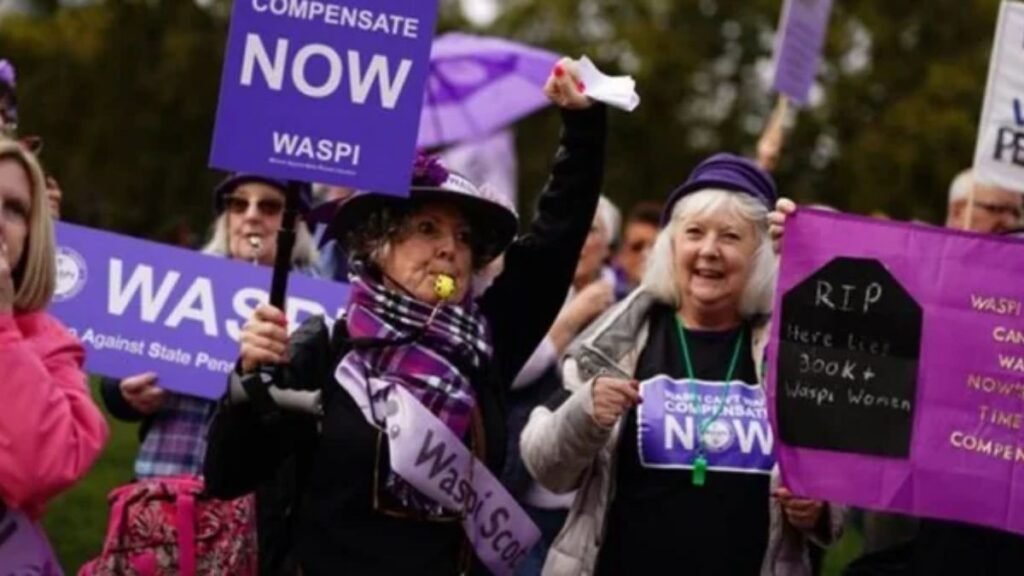
For thousands of women in Britain, retirement should have been a secure and peaceful stage of life, but for the women involved in the WASPI (Women Against State Pension Inequality) movement, this period has been filled with struggle, uncertainty, and disappointment. These women, primarily born in the 1950s, had their state pension age suddenly changed.
While the government decided to equalize the pension age for men and women, the way it was implemented profoundly impacted the lives of millions of women. They were not given timely notice, preventing them from making financial plans or preparing themselves for retirement. Many women had left their jobs, some to take on family responsibilities, only to suddenly discover that their pension would be delayed for several years.
What are the allegations against the DWP, and why is compensation being demanded?
The WASPI women claim that the Department for Work and Pensions (DWP) was seriously negligent in informing them about the changes to the pension age. Many women only learned of the changes when they were about to apply for their pension.
This delay caused them financial hardship, forcing them to take on debt, deplete their savings, and, in some cases, leading to increased mental stress and health problems. For this reason, there has been a long-standing demand for the government to provide them with adequate compensation. The £2,950 sum is not symbolic but rather considered partial compensation for the losses these women have suffered over the years.
What does the £2,950 compensation payment update mean?
The recent update regarding the potential £2,950 compensation has rekindled hope among the WASPI women. This amount may be paid to women who were not informed in a timely manner about the pension changes. Although this payment is not yet fully confirmed, developments at the governmental and legal levels suggest that this long-standing issue may be reaching a decisive point. While this amount may not fully compensate for all the losses, it is considered a significant step towards the government acknowledging its mistake.
Why is the High Court’s decision so important?
The High Court’s role in this entire matter has become extremely important. The court will decide whether the DWP’s failure to provide information constitutes administrative failure. If the court rules that the government did not fulfill its duty properly, it could pave the way for compensation payments. This is why the WASPI women are looking to the High Court’s decision with hopeful anticipation. This ruling will not only affect current compensation but also impact the transparency of government policies in the future.
Years of Stalemate and Government Silence
The most frustrating aspect of this issue has been the government’s persistent silence. Numerous parliamentary debates, petitions, and protests have taken place, but no concrete solution has emerged. The government has often argued that the change in pension age was legal and necessary, but the delay in providing information was not taken seriously. This is why the matter remained unresolved for years. Now, the High Court’s intervention offers a possibility of breaking this stalemate.
The Personal Stories of WASPI Women
To understand this movement, the personal stories of the women are more important than the statistics. One woman, who left her job to care for her mother, believing she would receive her pension soon, is now struggling financially.
Another had planned for early retirement to manage her household finances, but suddenly faced the necessity of working for another five or six years. Some women are unable to work due to age and health reasons, yet they are still waiting for their pensions. These stories have transformed the WASPI movement from just a legal battle into an issue of social justice.
Is £2,950 Sufficient Compensation?
Many WASPI supporters believe that £2,950 is far too little and cannot compensate for years of hardship. While this amount might provide some relief for some, many women believe the actual losses are far greater. Nevertheless, it is being seen as a starting point. If the government accepts this payment, further discussions on more comprehensive compensation schemes could follow.
Political Pressure and Public Support
Political pressure on this issue is constantly increasing. Several Members of Parliament have openly come out in support of the WASPI women. Social media, public rallies, and media reports have made this issue a part of the national debate. The issue is becoming increasingly important in the election season, as millions of families are directly or indirectly affected. It is no longer as easy for the government to ignore it as it once was.
What could happen next?
If the High Court rules in favor of the WASPI women, the government may have to implement a compensation scheme. This would raise questions about the payment process, eligibility, and timelines. Even if the ruling goes in the government’s favor, the movement is unlikely to end. The WASPI group has already indicated that they will pursue every possible legal and democratic avenue to seek justice.
Conclusion: WASPI women caught between hope and waiting
The DWP WASPI Women £2,950 compensation payment update is not just a financial news story; it’s a battle for justice, dignity, and trust. The High Court’s decision could give this long struggle a new direction. Whatever the outcome, one thing is clear—the WASPI women have proven that a united voice and persistent effort can hold governments accountable. Now the entire nation awaits this decision, which will impact not only the future of these women but also the credibility of Britain’s social policies.
FAQs
Q1. Who are the WASPI women?
A. WASPI women are those affected by changes to the UK State Pension age without proper notice.
Q2. What is the £2,950 compensation payment about?
A. It is a proposed payment to compensate WASPI women for financial losses caused by pension age changes.
Q3. Why is the High Court ruling important?
A. The ruling could decide whether compensation is approved and end the long-standing dispute.
