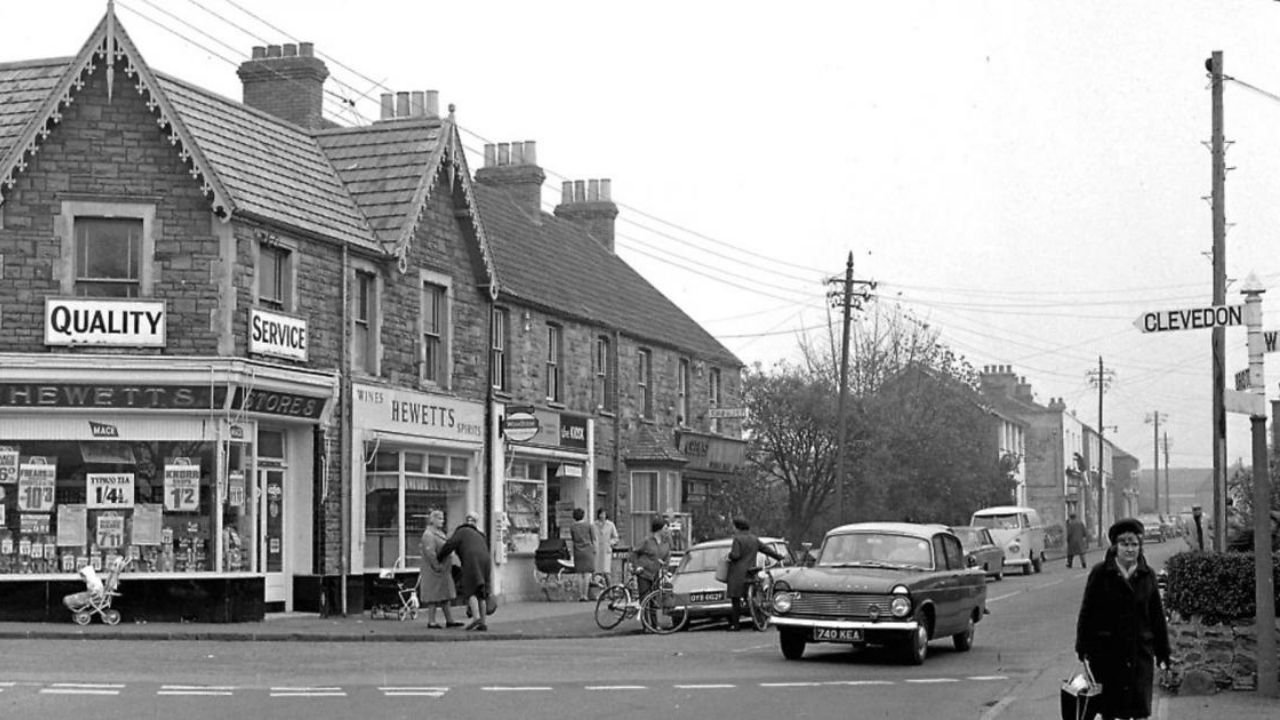
Nailsea, a non violent city in North Somerset, has a records some distance richer than its present day look would possibly endorse. Today, it is recognized for its pleasant neighbourhoods, inexperienced areas, and sturdy community spirit. However, Nailsea’s adventure from a small rural agreement to a thriving cutting-edge city is deeply rooted in industry, resilience, and transformation.
This article explores Nailsea’s evolution over time, from its days as a international-famend glass-making centre to the colourful and alluring network it’s far today.
Early Nailsea: A Rural Beginning
Before industry arrived, Nailsea become a modest agricultural village surrounded by farmland and wooded area. The neighborhood economy depended in large part on farming, with small companies of families living and working at the land. Life moved slowly, shaped by means of the seasons and rural traditions.
Despite its quiet nature, Nailsea sat above rich coal deposits—an asset that could soon alternate the city’s future for all time.
The Arrival of Industry and Coal Mining
Coal was determined underneath Nailsea centuries ago, and by the 18th century, coal mining had turn out to be an vital nearby enterprise. The availability of coal attracted commercial investment and supplied a consistent deliver of gas.
Coal mining introduced jobs and infrastructure, but extra importantly, it paved the way for the industry that could outline Nailsea’s identity—glassmaking.
The Rise of Nailsea as a Glass Town
In 1788, the status quo of Nailsea Glassworks marked a turning point in the city’s records. Fueled by neighborhood coal and supported through Bristol’s busy port, the glassworks grew into considered one of Britain’s maximum huge glass producers.
Nailsea produced bottles, family glassware, and ornamental items that were shipped across Britain and exported across the world. The city became widely known for its exclusive hand-crafted glass, especially the well-known Nailsea Blue.
As the glassworks elevated, Nailsea converted hastily. New housing changed into constructed for workers, shops opened, and the population grew. What became once a rural village have become a bustling commercial city.
Community Life During the Glassworks Era
Life in Nailsea all through its glassmaking height was annoying however communal. Glassworkers laboured lengthy hours in excessive warmness, often alongside circle of relatives individuals. Despite the harsh conditions, the glassworks provided balance and formed a strong experience of shared identity.
Schools, church buildings, and social areas advanced to support the growing populace. Nailsea become no longer just an area to live—it changed into a running community built round a shared motive.
Decline of Industry and a Time of Change
By the mid-19th century, business development some other place started to task Nailsea’s glassworks. New manufacturing methods, growing costs, and the sluggish decline of handy coal reserves made operations much less feasible.
In 1873, the glassworks closed permanently. This became a defining second for Nailsea, main to economic uncertainty and populace adjustments. Many residents moved away on the lookout for work, while others adapted to new livelihoods.
Though the furnaces were extinguished, the town endured.
Transition to a Residential Town
Following the decline of heavy industry, Nailsea step by step shifted closer to a quieter, residential position. Agriculture remained vital, but the town additionally started to draw humans seeking a rural way of life near Bristol.
The arrival of progressed transport hyperlinks allowed residents to travel to close by cities, assisting Nailsea evolve right into a commuter-friendly town even as maintaining its village atmosphere.
Post-War Growth and Modern Development
After World War II, Nailsea skilled full-size housing development. New estates, colleges, and community facilities had been constructed to accommodate a developing populace.
Importantly, development became balanced with green spaces and considerate planning, maintaining the city’s connection to the encircling geographical region. This period laid the muse for Nailsea’s modern identification.
Preserving Heritage While Embracing the Future
Today, Nailsea proudly honours its commercial beyond whilst embracing cutting-edge lifestyles. The glassblower statue marking the previous glassworks website online stands as a symbol of the town’s origins.
Local history groups, activities, and exhibitions preserve Nailsea’s story alive, while modern amenities, unbiased shops, and network initiatives assist each day life.
Nailsea Today: A Thriving Community
Modern Nailsea is known for:
- A welcoming and diverse population
- Strong community involvement
- Local markets, cafés, and events
- Access to countryside walks and green spaces
The town offers the best of both worlds—historic character and modern convenience. Families, retirees, and commuters all find a sense of belonging here.
Conclusion
Nailsea’s adventure from a rural settlement to an commercial glass metropolis, and eventually to a thriving modern community, is a tale of resilience and reinvention. Though the glassworks that once described it have lengthy closed, their legacy keeps to shape the city’s identification and satisfaction.
By honouring its past at the same time as adapting to trade, Nailsea has converted into a place in which records and modern life exist side by means of side. It stands nowadays now not just as a former glass town, however as a vibrant network—evidence that even small towns can evolve whilst staying authentic to their roots.